

When parents search for winter knitwear, a common question arises repeatedly: which material actually keeps kids warmer? Lambswool and cashmere frequently appear as high-quality choices, but their variations remain unclear at times, particularly for children’s regular outfits.
For companies, stores, and importers within the kidswear sector, knowing how these materials function during actual wear is essential. This knowledge influences product placement, pricing framework, and buyer approval. Drawing on more than 14 years in children’s clothing production, Delpnana collaborates with natural fibers such as wool to achieve a mix of heat retention, ease, and usefulness for young ones who are growing.
In this piece, we examine the ways lambswool and cashmere measure up, the elements that truly impact heat in kids’ sweaters, and the manner in which Delpnana’s knitted sweater varieties address various winter requirements.
What Makes Sweater Material Warm for Kids?
Prior to a direct comparison between lambswool and cashmere, it proves helpful to consider what “warmth” truly signifies in children’s attire. This quality extends beyond mere bulk or expense, since numerous aspects combine to produce it.
Natural Fiber Insulation
Fibers from animals naturally hold air within their strands. Such held air functions as a shield from low temperatures. Strands of wool, encompassing lambswool and cashmere, possess an inherent wave that forms this protective layer without increasing weight excessively.
For children, this aspect carries importance because thick sweaters might hinder activity. Therefore, a properly constructed wool sweater maintains heat near the skin, and yet it feels sufficiently light for school routines as well as play outside.
Breathability and Moisture Management
Children remain quite active. Consequently, if a sweater confines heat without handling dampness, it soon turns unpleasant. Fibers that permit airflow assist in expelling surplus heat, and they also control moisture arising from perspiration.
Strands of wool inherently draw in moisture vapor without becoming damp to the touch. As such, this property ensures children stay warmer in total, particularly amid varying indoor and outdoor spots like classrooms, vehicles, and play zones.
Softness and Skin Comfort
Heat retention serves no purpose if the sweater causes itching or discomfort. The skin of children tends to react more readily, and subpar fiber quality commonly results in grievances, refunds, or unfavorable comments.
This is the reason Delpnana emphasizes yarns chosen with precision along with knitting methods under strict oversight, thereby guaranteeing that sweaters remain gentle on the skin while providing dependable heat.
How Does Lambswool Compare to Cashmere in Warmth?
Lambswool and cashmere both gain recognition for their heat properties, although they operate in somewhat distinct manners. Selecting the appropriate one relies on local weather, intended purpose, and the specific audience.
Lambswool Warmth Characteristics
Lambswool originates from the initial shearing of a sheep, rendering its fibers slimmer and gentler compared to ordinary wool. Moreover, it preserves the innate durability and form of wool, which establishes it as a robust selection for children’s sweaters.
When it comes to heat, lambswool functions effectively in chilly yet dynamic situations. It provides efficient shielding, retains its outline, and withstands regular wearing and laundering. Hence, for companies concentrating on routine children’s garments, lambswool commonly achieves the perfect equilibrium among heat, longevity, and expense.
Delpnana routinely employs blends of lambswool in kids’ knitwear, given that these materials align well with school clothing, informal excursions, and everyday stacking.
Cashmere Warmth Characteristics
Fibers of cashmere appear slimmer and less heavy than those of lambswool. They provide an exceptionally smooth sensation, and they deliver considerable heat in proportion to their minimal weight. Within stable settings, cashmere often conveys greater warmth, since it minimizes thickness even as it upholds shielding.
Nevertheless, cashmere tends to be more fragile. In the case of children, this situation demands greater maintenance needs and a reduced lifespan for the item when applied to daily routines. Thus, it positions more suitably as a luxury or event-based article instead of an ordinary sweater.
Viewing from a business-to-business viewpoint, cashmere generally suits limited series or upscale store assortments better than widespread kidswear offerings.
Temperature Performance for Kids
During practical applications, lambswool frequently delivers steadier outcomes for children. It adjusts smoothly to shifts in temperature, manages physical motion more effectively, and withstands balling up when treated appropriately.
Cashmere imparts a sumptuous and heated feel, but it might endure less favorably amid vigorous recreation. For that reason, numerous purchasers select sweaters based on lambswool for primary product ranges, and they set aside cashmere for specialized selections.
| Feature | Lambswool Sweaters | Cashmere Sweaters |
| Warmth Level | High (Best for active play) | Maximum (Best for static cold) |
| Fiber Fineness | 18.5 – 21 Microns (Durable) | Under 15.5 Microns (Ultra-soft) |
| Durability | Excellent (Daily school wear) | Delicate (Requires special care) |
| Price Point | Competitive / Mid-range | Premium / Luxury |
| Best For | Daily basics, School uniforms | Gift collections, Holiday wear |
Which Delpnana Sweaters Are Best for Keeping Kids Warm?
The choice of material represents merely one element of the overall narrative. Factors like style, weave tightness, and assembly contribute significantly as well. Delpnana integrates considerate styling with sensible fabrics to fulfill diverse winter demands.
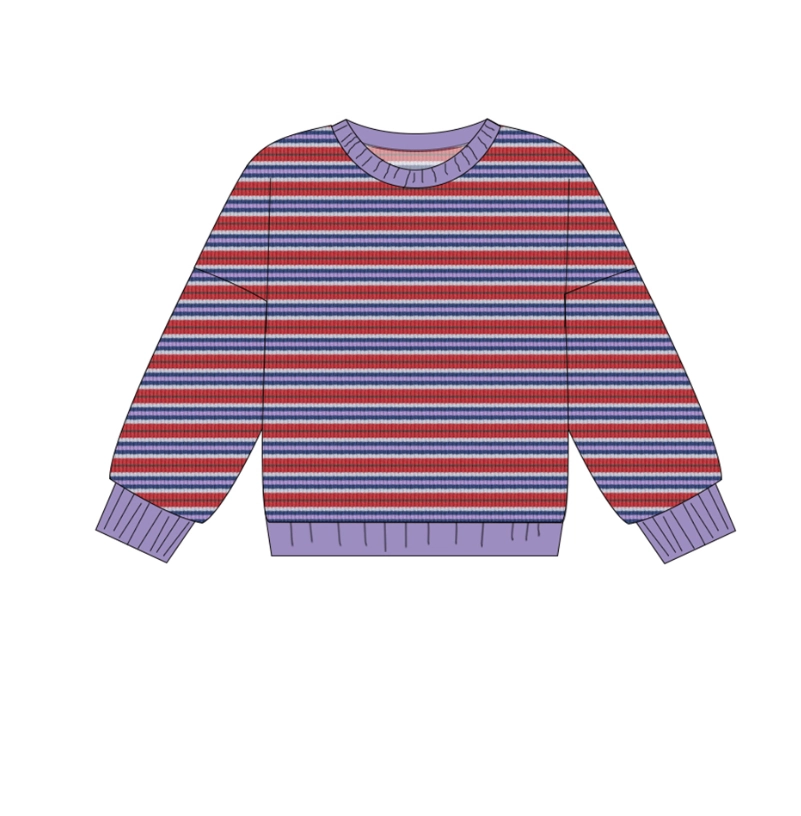
Kids Long Sleeve Striped Sweater
The Kids Long Sleeve Striped Sweater serves to provide routine heat alongside attractive visuals. Its weaving pattern holds snugly to preserve warmth, yet it allows sufficient airflow for energetic children.
Designs featuring stripes enjoy popularity in overseas markets such as the US and Australia, for they merge whimsical aesthetics with straightforward coordination. Accordingly, this sweater performs adequately in educational environments, relaxed ventures, and combined winter ensembles.
From the perspective of store operators, it constitutes a trustworthy essential piece: aligned with the season, straightforward for sizing, and appropriate for recurring purchases.
Long Sleeve Cardigan V-neck Pocket Sweater
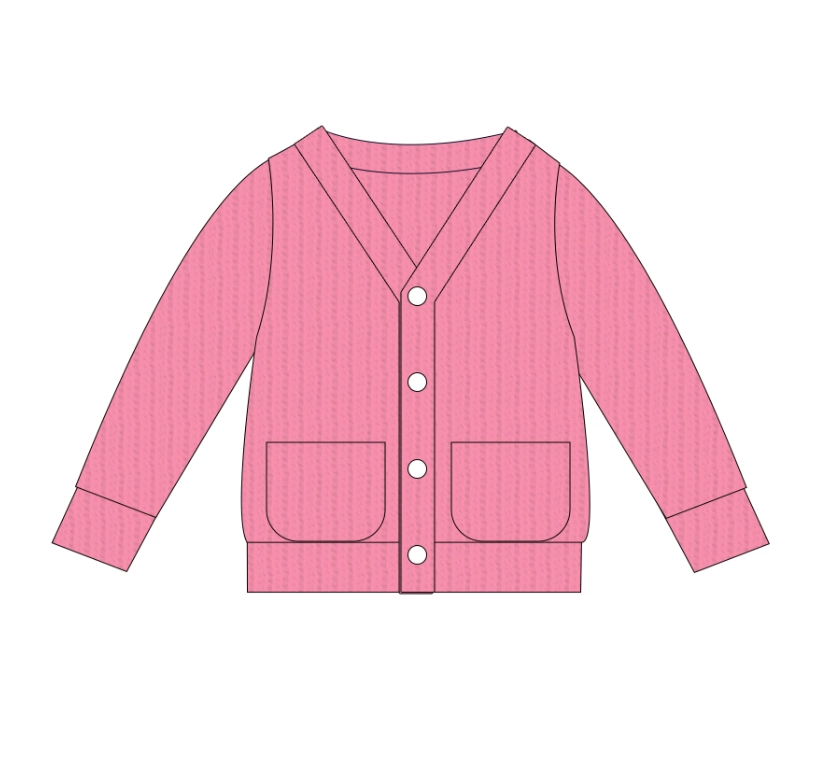
Cardigans provide adaptability that slip-on styles lack. The V-neck pocket cardigan enables children to adjust heat levels with simplicity, particularly during shifts from inside to outside spaces.
The front with buttons facilitates easier application and removal for smaller children, whereas the pockets contribute practicality along with aesthetic appeal. This particular form excels notably in temperate winter conditions or when layered atop blouses.
Considering wholesale angles, cardigans attract parents seeking adaptable garments, thereby rendering them a firm enhancement to winter assortments.
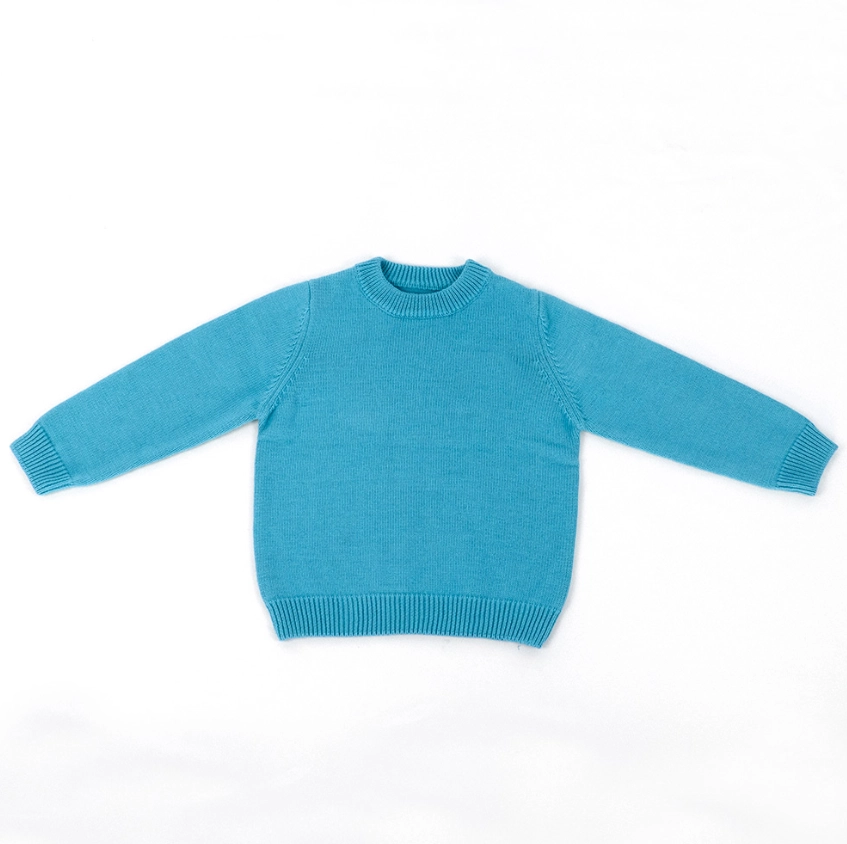
Solid Knitted Round Neck Sweater
To achieve traditional heat, the Solid Knitted Round Neck Sweater functions as a fundamental item. Straight contours, uncomplicated framework, and even weave tightness render it fitting for boys and girls alike.
This variety lends itself readily to branding, color changes, or modifications for exclusive labels. Furthermore, it complements yarns derived from lambswool, yielding consistent heat without appearing cumbersome.
A substantial number of B2B purchasers opt for this sweater category as a base item for sustained commerce, especially within school attire and elementary winter series.
Why Choose Luxurious Yet Practical Sweaters for Children?
Regarding kidswear companies, heat by itself proves insufficient. Items need to endure genuine application while adhering to safety and quality guidelines.
Durability and Everyday Wear
Sweaters for children must manage ongoing laundering, extension, and motion. Knits based on lambswool typically endure longer than exceptionally thin fibers during routine use.
Delpnana implements rigorous quality oversight across all phases, ranging from yarn picking to final examination, which diminishes concerns such as premature balling or outline distortion.
Easy Care for Busy Parents
Parents favor sweaters that avoid elaborate maintenance. Numerous Delpnana sweaters come crafted for hand washing or mild machine cycles, contingent upon the fiber blend.
Such a sensible strategy enhances buyer contentment and decreases refund occurrences among store operators.
Stylish and Functional Design
Delpnana merges contemporary outlines with enduring elements, facilitating straightforward sales of sweaters over several seasons. Shades in neutral palettes, conventional collars, and tidy motifs assist purchasers in reaching broader audiences.
Equipped with OEM and ODM expertise, Delpnana further aids tailored styles, emblems, and wrapping for partners abroad.
FAQs
Q1: Is lambswool warm enough for cold winters compared to cashmere?
A: Yes. Lambswool offers robust shielding and accommodates active routines effectively, positioning it as a trustworthy option for children across typical winter conditions.
Q2: Are Delpnana kids’ sweaters suitable for export markets like the US and Australia?
A: Yes. Delpnana products align with pertinent US and Australian standards for children’s clothing, encompassing safety and fabric stipulations.
Q3: Can Delpnana support private label or bulk sweater orders?
A: Absolutely. Delpnana delivers OEM and ODM assistance, facilitating custom styles, marking, and large-scale output for international B2B customers.