
Why OEM Is a Smart Move for Clothing Brands
Focus on what actually grows the business
Outsourcing production saves factories, machines, hiring, training — so brands can spend more time designing, promoting, and selling.
Lower production cost, higher efficiency
OEM factories buy fabrics in bulk and have trained workers and production lines. Cost per piece is usually much lower, and this matters a lot in childrenswear, where margins need control.
Get access to professional techniques
Working with a factory means you don’t need to build printing, embroidery, heat-transfer equipment, etc. yourself. Factories like ours already handle screen printing, DTG, embroidery, water-based inks, etc., letting your product stand out.
How to Pick the Right OEM Factory
Define what you want
Before looking for factories, brands should clarify:
- Fabrics
- Printing or decoration type
- Design complexity
- Whether your brand is premium niche or mass market
Check experience & certifications
Factories with long history and certifications like ISO 9001 are generally more reliable and more standardized.
Check capacity & flexibility
A good OEM partner should be able to handle both small trial orders and large runs. Delpnana, for example, accepts both — good for long-term cooperation.
Quality control matters
Look for factories with:
- QC checklists
- Testing labs
- Third-party test reports if needed
Transparent pricing
Good quotes explain fabric, trims, labor, packaging, shipping, etc. Clear pricing + flexible payment terms helps manage cash flow better.
What OEM Production Flow Looks Like
Design & samples
You provide CAD/tech pack, Pantone colors, pattern files. The factory should help create samples in a reasonable time.
Material sourcing
Could be organic cotton, recycled fabrics, OEKO-TEX materials, etc. A capable factory will help source and check standards.
Bulk production
There should be scheduled updates — messages, photos, or dashboards — so buyers know progress. ERP systems help avoid delays.
Packing & delivery
Factories can offer branded packaging, hangtags, printed bags, eco pack, etc. Delivery could be express, DDP, sea, air, etc.
Project management
Tools like Trello, Asana, Monday.com can help track timeline, who’s responsible, and what needs to be delivered.
Risk Control & Partnership Protection
Contract with clear rules
Should list delivery dates, quality tolerance, penalties, and after-sales handling.
IP protection
Include NDAs, IP ownership, and trademark clauses — your designs stay yours.
Multiple suppliers
For important products, some brands keep two suppliers just in case something unexpected happens.
Where OEM Apparel Is Heading
Sustainable production
Consumers care more about the environment, so OEM is moving toward:
- Recycled fabrics
- Organic cotton
- Water-based printing
- Low-carbon logistics
Agile small-batch production
Faster delivery and data-driven production help brands launch trends quickly and avoid dead stock.
Customization
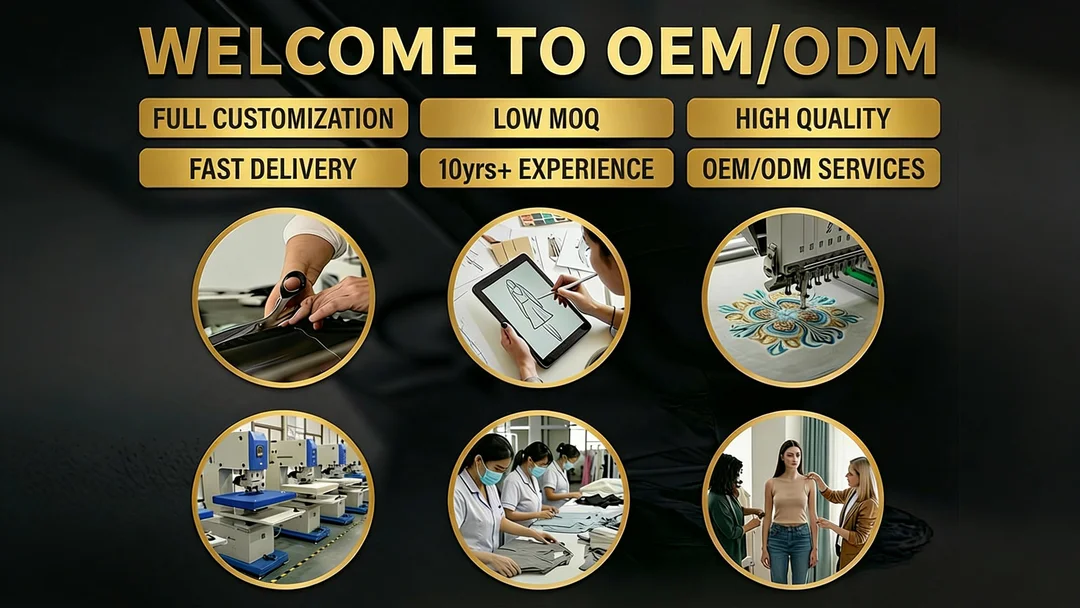
Personal embroidery, heat-transfer names, custom packaging, and small collections help brands build loyalty. Delpnana has over 10 years of experience doing custom maternity & kids clothing, and feedback has been consistently positive. 【Quick Contact】
Final Words
Working with a strong OEM factory helps brands grow faster, keep costs under control, and maintain consistent quality. The right partner is not just a supplier but part of your long-term development — especially in a market where sustainability and customization are becoming the new normal.